
Is Your Roof Trying to Tell You Something? 5 Early Signs of Roof Failure
Your roof is your home's first line of defense against the unpredictable Oklahoma weather. From scorching summer sun to intense hail season storms, it works tirelessly to protect your family and your investment. But like anything, a roof has a lifespan, and problems often start small before becoming major, costly headaches. Waiting for a drip in the living room is waiting too long.
Many homeowners in the Tulsa area worry about the cost and hassle of roof issues, but catching problems early can save you thousands in the long run. The key is knowing what to look for. This guide will walk you through the subtle but critical signs that your roof might be heading for trouble, helping you know when it's time to call in a professional for an honest assessment.
1. What You Can See from the Ground: Your Shingles' Story
You don’t need to climb a ladder to get the first clues about your roof's health. A simple walk around your property can reveal a lot. Pay close attention to your shingles, as they are often the first to show signs of aging and wear.
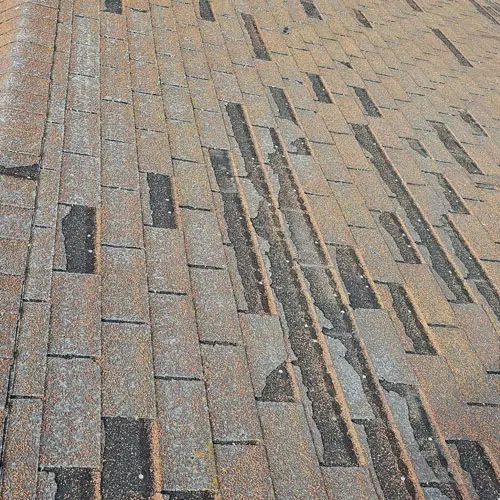
- Curling or Clawing Shingles: Look at the edges of your shingles. Are they starting to curl upwards or lay flat? This is often a sign of an aging roof or excessive heat building up in your attic. Curling shingles are brittle and can be easily torn off by wind, leaving your roof vulnerable.
- Cracked or Missing Shingles: A few missing shingles after a major storm in Green Country might seem minor, but each one is a breach in your roof's armor. Similarly, cracked shingles, often caused by wind or hail impact, can allow water to seep underneath to the roof deck.
- Dark Streaks or Algae: While the black streaks caused by algae (Gloeocapsa magma) are often a cosmetic issue, they can indicate that moisture is lingering on your roof's surface. More concerning is the presence of moss, which can hold water against the shingles and lead to deterioration over time.
2. Checking the Gutters and Attic for Hidden Clues
Some of the most telling signs of roof failure aren't on the roof itself, but in the areas around and under it. These spots can provide critical evidence of what's happening overhead.
First, check your gutters and downspouts, especially after it rains. Are you seeing a lot of black, sand-like granules? These are the asphalt granules that cover the surface of your shingles. They protect the shingle from UV rays and damage. When you start finding them in your gutters, it means your shingles are balding and nearing the end of their effective life. This is one of the clearest indicators that a replacement is on the horizon.
Next, head up to your attic on a sunny day (be careful!). Turn off the lights and look up at the underside of the roof. If you see any pinpricks of daylight coming through, you have a direct path for water to enter. You should also look for signs of moisture, such as:
- Water stains or streaks on the plywood decking
- Damp or moldy insulation
- A musty smell in the attic
Any of these signs point to an active or past leak that needs immediate attention before it causes structural damage.
3. The Age Factor: When Time is Up
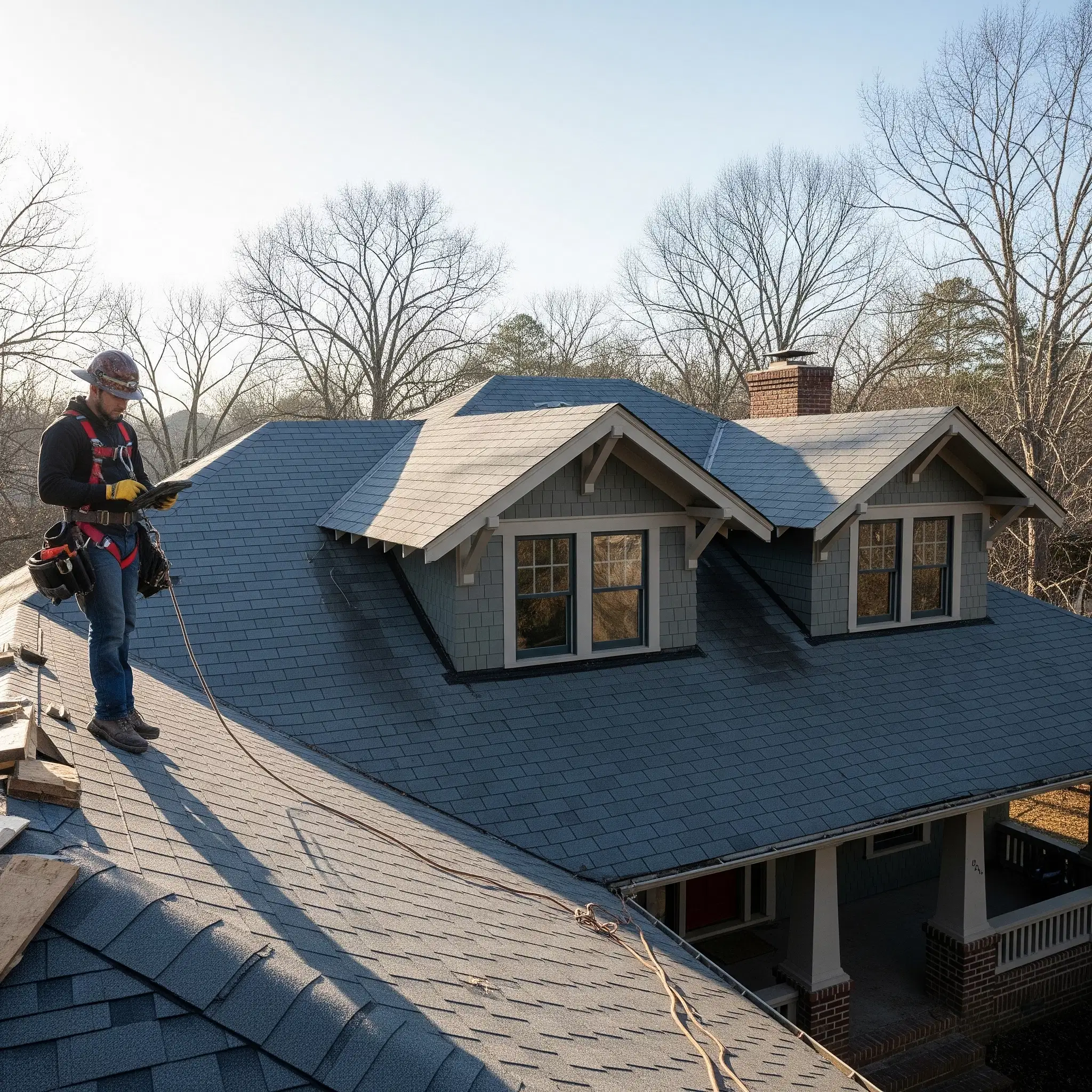
Even if a roof looks okay from a distance, its age is a critical factor. Most asphalt shingle roofs in our region have a lifespan of about 15-25 years. If your roof is approaching or has surpassed that age, it's living on borrowed time, even if there are no obvious signs of failure. The materials become brittle and less effective at protecting your home.
Another hidden danger is damaged flashing. Flashing consists of the metal strips installed around chimneys, vents, and skylights to seal the seams and prevent water intrusion. If this metal is rusted, cracked, or has pulled away from the roof, it creates a common and significant source of leaks. A professional roof inspection will always include a thorough check of all flashing points.
4. Repair or Replace? Making the Right Call
So, you've spotted one or more of these signs. Does it mean you need a whole new roof? Not always. The decision between repair and replacement depends on the age of your roof and the extent of the damage.
- Consider a Roof Repair: If your roof is relatively young (under 15 years) and the damage is isolated to a small area—like a few missing shingles from a storm or a minor issue with flashing—a professional repair is often the most cost-effective solution.
- Time for a Roof Replacement: If your roof is over 20 years old, showing widespread issues like curling shingles across multiple sections, significant granule loss, or if you have multiple leaks, a replacement is almost certainly the smarter long-term investment. Patching an old, failing roof is often a temporary fix that can lead to more expenses down the road.
The best way to know for sure is to get an honest, expert opinion. A thorough inspection can determine the remaining life of your roof and help you make an informed decision without sales pressure.
Don't Wait for a Drip—Protect Your Home Today
Your roof is too important to ignore. By keeping an eye out for curling shingles, granules in your gutters, signs of moisture in the attic, and the overall age of your system, you can stay ahead of major problems. At 7 Oaks Construction, we believe in honesty and treating your home as if it were our own. We provide clear, upfront assessments to help you understand your options.
If you've noticed any of the warning signs mentioned above or simply want peace of mind about the condition of your roof in the Tulsa area, don't hesitate. Contact us today to schedule a professional and comprehensive roof inspection. We're here to help you protect what matters most.