
Protecting Your Roof from Summer Heat Degradation
When we think of weather-related property damage here in the Tulsa Metro, our minds naturally jump to the intense spring storm season. We brace for high winds, heavy rain, and the inevitable hail that batters our neighborhoods. However, once those turbulent spring months pass, a quieter, much more persistent threat takes over: the blistering heat of an Oklahoma summer. While we seek refuge indoors with the air conditioning running at full blast, our homes are left to bake in the sun day in and day out. The effects of extreme heat on roofing shingles can be surprisingly destructive, leading to premature aging, structural issues, and eventually, the need for a premature replacement.
As temperatures climb, the materials protecting your home undergo immense stress. Understanding how summer attic temperature causes roof failure and learning the proactive steps for protecting asphalt shingles during summer heatwaves can save you significant time, money, and stress. At 7 Oaks Construction, we believe in treating every home like our own, bringing decades of experience and honest, upfront pricing to help you navigate these seasonal challenges.
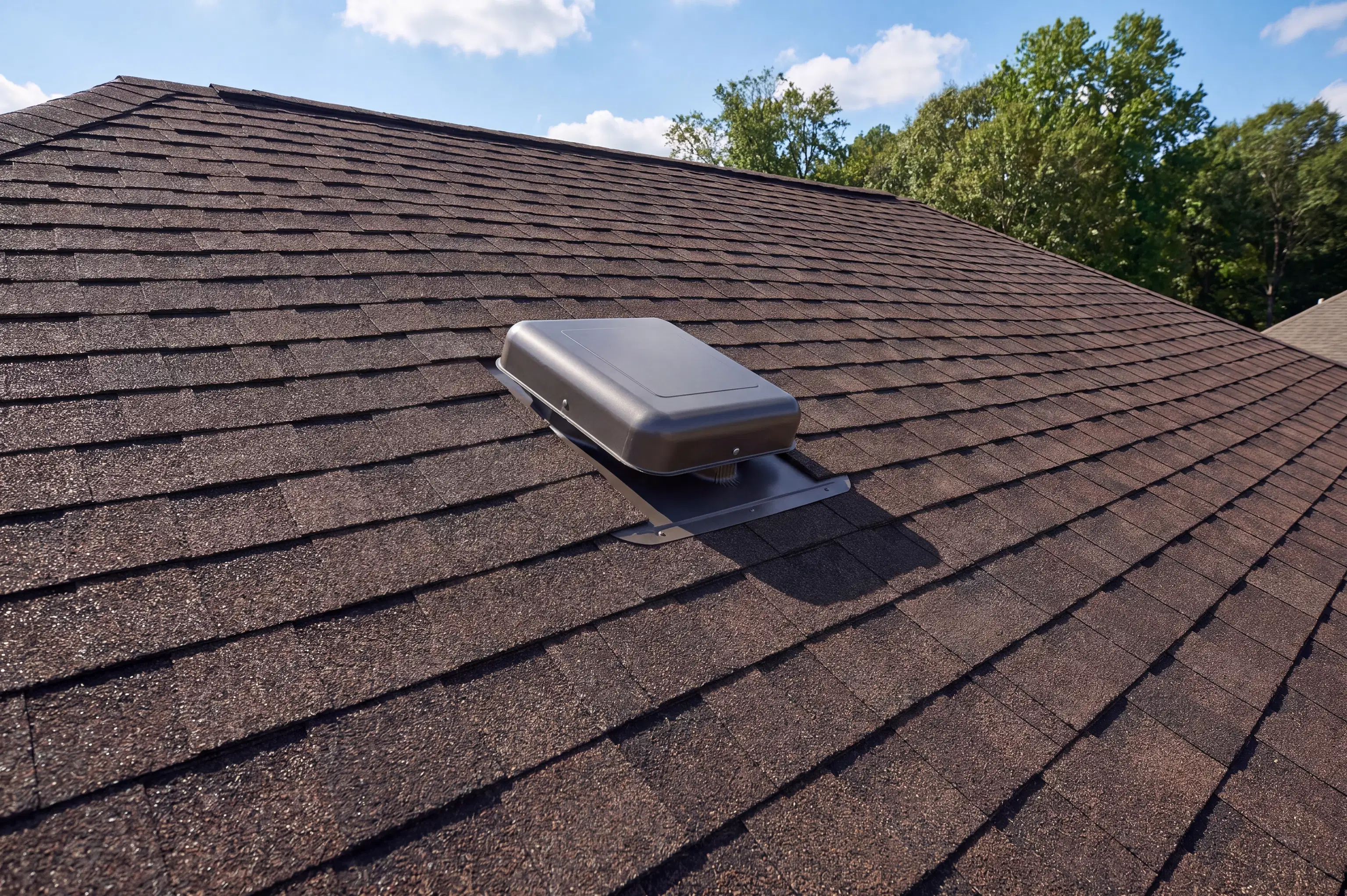
How Intense Heat Impacts Your Shingles
Your roof is your home's primary shield against the elements, but prolonged exposure to UV rays and extreme temperatures takes a toll. Asphalt shingles are designed to withstand a lot, but excessive heat can accelerate their deterioration. When temperatures soar, the asphalt in the shingles can actually soften and dry out. Over time, the constant expansion during the hot days and contraction during the cooler nights—a process known as thermal shock—causes the shingles to crack, blister, or curl at the edges.
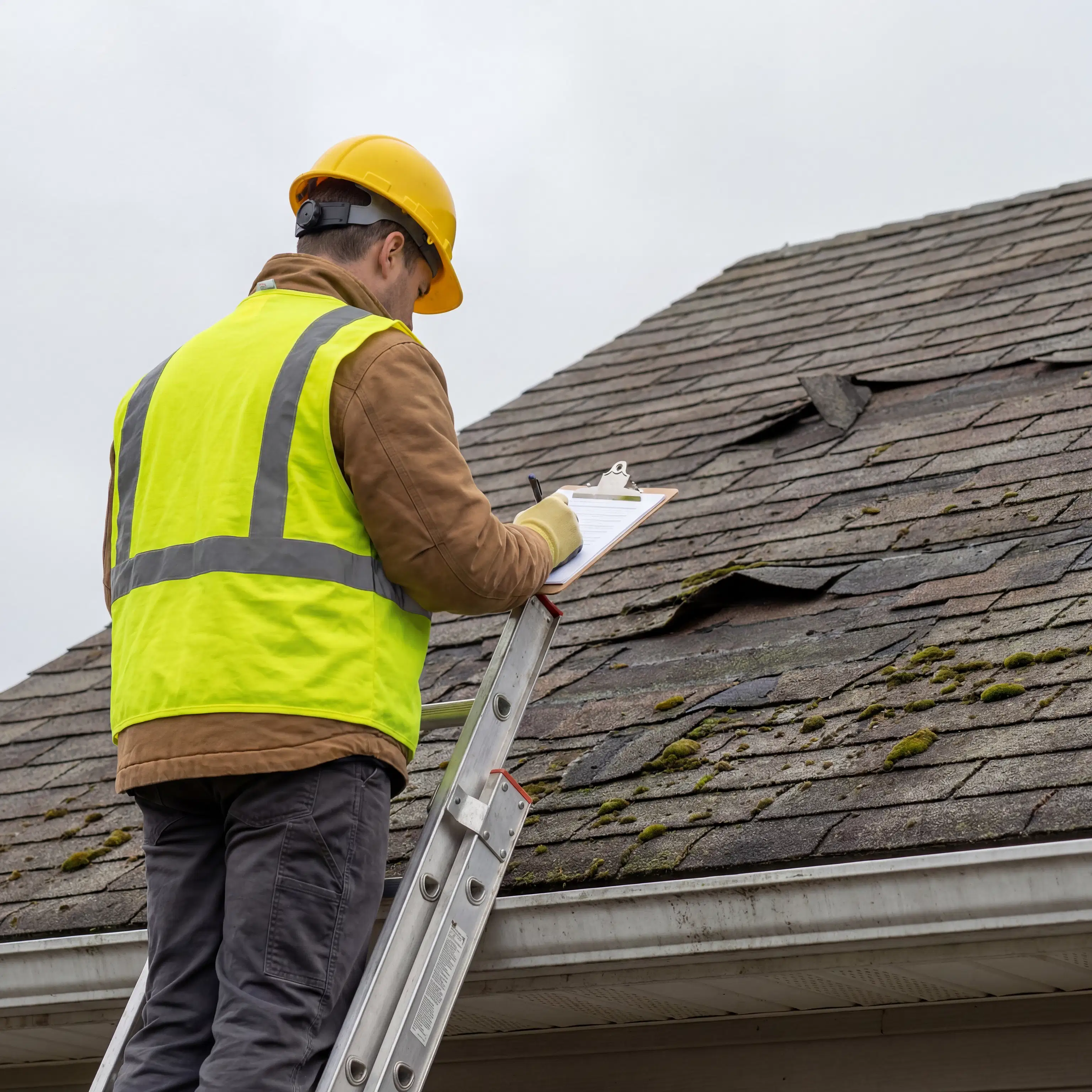
As the shingles dry out, they also begin to lose their protective granules. You might start noticing a buildup of these sand-like granules in your gutters after a summer rain. Once those granules are gone, the underlying asphalt is exposed directly to the sun's UV rays, rapidly speeding up the degradation process. Catching these early signs of wear is critical. Scheduling a professional roof repair to address curled or blistering shingles before they lead to structural leaks is much more cost-effective than waiting for a full failure.
The Hidden Danger: Summer Attic Temperatures
While the sun beats down on the top of your house, another heat-related issue is likely brewing right beneath the surface. Many homeowners are surprised to learn how summer attic temperature causes roof failure. If your attic lacks proper airflow, the heat from the sun penetrates the roof deck and becomes trapped in the attic space. On a 95-degree afternoon, an unventilated attic can easily reach temperatures exceeding 150 degrees.
This super-heated air effectively bakes your shingles from the inside out, doubling the heat stress on the materials. Not only does this drastically shorten the lifespan of your roof, but it also forces your air conditioning system to work much harder to cool your living spaces, leading to skyrocketing energy bills. One of the most effective ways to combat this is by ensuring your home has adequate intake and exhaust ventilation. Upgrading your system through professional skylight and vent installation allows the hot air to escape and fresh air to circulate, keeping your attic cooler and extending the life of your investment.
Proactive Steps to Protect Your Home
Protecting asphalt shingles during summer heatwaves comes down to proactive maintenance and partnering with a trusted professional. Out-of-state storm chasers might flood the area after a hail storm, but they aren't around to help you deal with the long-term wear and tear caused by everyday weather conditions. Working with a registered, locally-focused roofing contractor means you get ongoing support, accurate assessments, and a reliable 5-year labor warranty to back up the work.
Start by having a professional inspect your property before the hottest days of summer arrive. A thorough inspection will identify any existing damage from the spring storm season, check the current state of your attic ventilation, and ensure your insulation is adequate. If minor repairs are needed, taking care of them early prevents the severe heat from exacerbating the damage. Furthermore, if your current roof is nearing the end of its lifespan, you might consider upgrading to Class 4 impact-resistant shingles or exploring metal roofing options, both of which offer excellent durability against the intense Oklahoma sun and can even help lower your insurance premiums.
Don't let the heat quietly degrade your home's first line of defense. By understanding the risks and addressing ventilation issues, you can keep your property safe, comfortable, and efficient all summer long. If you are concerned about how your roof is holding up to the Green Country climate, our experienced team is here to provide honest, upfront guidance. Reach out to schedule a consultation by visiting our contact us page today.