
Your Essential Post-Storm Roof Inspection Checklist for Oklahoma Homes
The sky clears, the wind settles, and a sense of relief washes over you after a classic Oklahoma storm passes through. But for homeowners in Tulsa and across Green Country, that relief is often followed by a nagging question: "Is my roof okay?" Here in Tornado Alley, our roofs are the first line of defense against severe weather, and knowing how to check for damage is crucial. Ignoring small issues can lead to costly repairs down the road.
While a thorough assessment should always be left to a professional, you can perform a safe, preliminary inspection from the ground. This checklist will guide you through what to look for after a storm, helping you identify potential problems and understand when it's time to call for an expert opinion. It’s about protecting your biggest investment with confidence and peace of mind.
Step 1: The Safe Ground-Level Walkaround
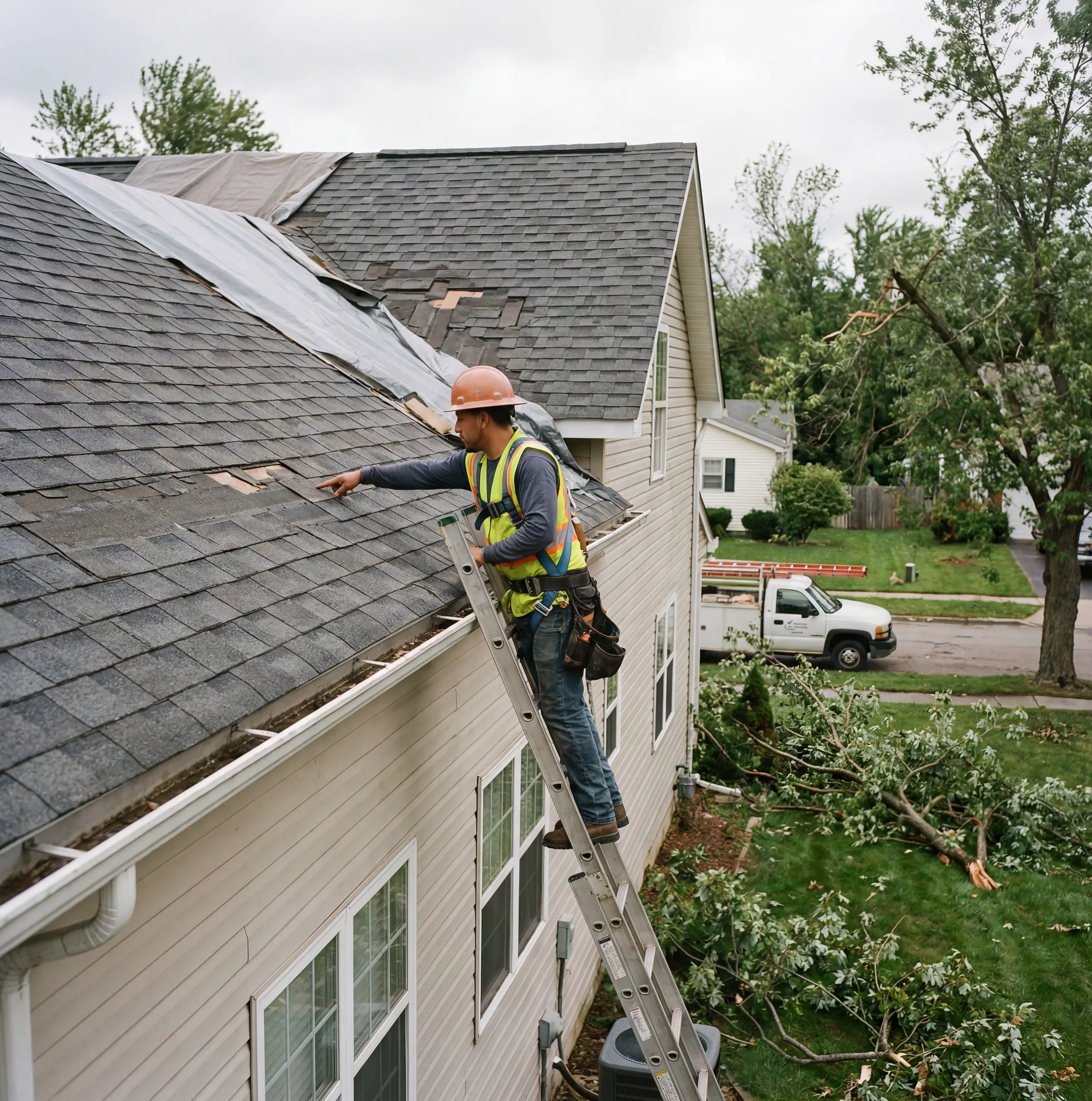
Safety is the number one priority. Never climb onto your roof, especially when it could be wet or structurally compromised. A comprehensive inspection can be started safely from the ground. Grab a pair of binoculars if you have them and walk the perimeter of your property.
Here’s what to look for first:
- Obvious Debris: Are there large branches or other debris on your roof? Significant impacts can crack shingles or damage the underlying structure.
- Yard Scan: Look for any shingles or pieces of roofing material that may have been blown into your yard, flowerbeds, or driveway. This is a clear sign of wind damage.
- Gutters and Downspouts: Check your gutters for dents, dings, or blockages. A large accumulation of asphalt granules in your downspouts is a tell-tale sign that your shingles have been damaged by hail and are losing their protective layer.
- Exterior Features: Examine your siding, window screens, and air conditioning unit. Dents and dings on these surfaces can indicate the size and intensity of the hail that hit your home, suggesting your roof likely sustained similar impacts.
Step 2: Identifying Wind and Hail Damage from Afar
Once you've completed your initial walkaround, you can look for more specific signs of damage on the roof itself. This is where binoculars can be particularly helpful.
Signs of Wind Damage:
Wind doesn't just blow shingles off; it can lift and bend them, breaking the seal that keeps them waterproof. Look for:
- Missing Shingles: Obvious gaps on your roof where shingles should be.
- Lifted or Curled Shingles: Shingles that appear raised, curled at the edges, or bent back. This creates a crease that compromises the shingle's integrity.
- Damaged Flashing: Check the thin metal strips around your chimney, vents, and skylights. Look for any pieces that are bent, loose, or missing.
Signs of Hail Damage:
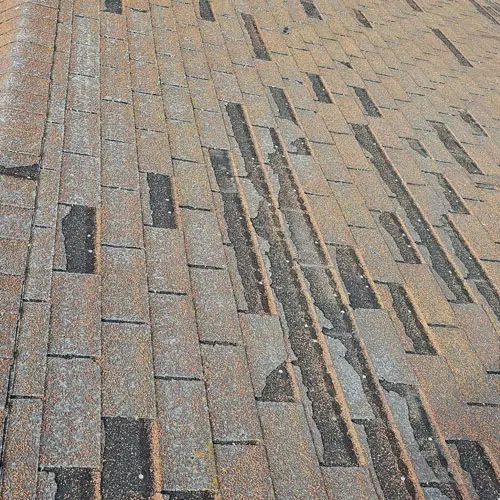
Hail damage can be subtle and is often missed by the untrained eye. It doesn't always cause immediate leaks, but it significantly shortens your roof's lifespan.
- Dents and Divots: On metal components like vents and flashing, hail damage will appear as obvious dents. On asphalt shingles, it looks more like a dark “bruise” where the protective granules have been knocked off.
- Cracked or Broken Shingles: Larger hailstones can cause visible cracks or shatter the shingle, especially in colder weather.
- Granule Loss: As mentioned before, a large amount of shingle granules in your gutters is a strong indicator of widespread hail impact across your roof.
Step 3: Checking for Leaks Inside Your Home
Not all roof damage is visible from the outside. The final step in your inspection is to check for signs of water intrusion inside your home. Catching a leak early can prevent serious water damage, mold growth, and costly interior repairs.
- Inspect the Attic: If you can do so safely, go into your attic with a powerful flashlight. Turn off the lights and look for any pinpricks of daylight coming through the roof deck. Scan the underside of the roof and the insulation for dark stains, water spots, or signs of moisture.
- Check Ceilings and Walls: Look for discoloration, water stains, or bubbling and peeling paint on the ceilings of your top floor. Pay close attention to the areas around ceiling fans, light fixtures, and the corners where the ceiling meets the wall.
- Examine Skylights and Vents: These are common areas for leaks to develop. Check the drywall around any skylights or interior vents for any signs of water damage.
If you find evidence of a leak, it may require an immediate emergency roof repair to prevent further damage. Even small stains are a sign that you need a professional roof repair sooner rather than later.
Step 4: When to Call a Local Roofing Professional
Even if your ground-level inspection doesn't reveal any obvious problems, it's always a good idea to get a professional opinion after a significant storm. An experienced roofer can safely get on your roof to spot subtle hail bruises or wind-lifted shingles that are impossible to see from the ground.
After a storm, be wary of out-of-state "storm chasers" who knock on doors. It's essential to work with a trusted, local company that will be here for you long after the work is done. A local expert understands Oklahoma's weather and building codes and has a reputation to uphold in the community.
A professional roof inspection provides:
- Safety: A trained and insured expert handles the risk of climbing on the roof.
- Accuracy: We can identify all forms of damage and assess the overall health of your roofing system.
- Documentation: We provide detailed reports and photos that are crucial for filing an insurance claim.
If damage is found, our team is experienced in all aspects of storm damage roof repair, from minor fixes to full replacements.
Protect Your Home with a Professional Inspection
Your roof is too important to leave to chance. By following this checklist, you can take the first steps in assessing its condition after a storm. Remember to inspect safely from the ground, look for signs of wind and hail damage, check for interior leaks, and most importantly, call a trusted professional for a complete evaluation.
At 7 Oaks Construction, we pride ourselves on honesty, experience, and treating your home like our own. If you have concerns about your roof after a recent storm in the Green Country area, don't wait for a small problem to become a big one. Contact us today to schedule a free, no-obligation professional roof inspection. We're here to provide the peace of mind you deserve.