
Your Roof's Secret Weapon: How Proper Ventilation Maximizes Lifespan
As a homeowner in Green Country, you know your roof is your home's first line of defense against everything from scorching summer sun to intense hail season storms. You invest in quality materials and expert installation to ensure it lasts. But there’s a hidden factor that plays a massive role in your roof's health and longevity: proper attic ventilation. It’s one of the most overlooked components of a healthy roofing system, yet it can mean the difference between a roof that lasts for decades and one that fails prematurely.
Think of your attic as the lungs of your home. For your roof to perform its best, it needs to breathe. A well-ventilated attic protects your shingles, reduces your energy bills, and prevents costly moisture damage. In this guide, we'll explore why ventilation is so critical for homes in the Tulsa area and what you can do to ensure your roof is set up for a long, healthy life.
The Two Biggest Threats to Your Roof: Heat and Moisture
In Oklahoma, our weather can be extreme. The battle for your roof's longevity is fought on two fronts: the intense heat of summer and the persistent moisture of winter. A proper ventilation system is designed to combat both.
Summer Heat Buildup: On a hot summer day, the temperature in your attic can soar to over 150°F. This trapped, superheated air essentially bakes your roof from the inside out. It can cause the asphalt in your shingles to soften and degrade, leading to curling, cracking, and granule loss. This extreme heat also radiates down into your living space, forcing your air conditioner to work overtime and driving up your energy costs. A ventilation system creates a constant flow of air, pulling in cooler air from the outside while pushing hot air out, significantly lowering attic temperatures and protecting your shingles.
Winter Moisture Condensation: During colder months, the warm, moist air generated by daily activities like cooking and showering rises into your attic. When this humid air hits the cold underside of your roof deck, it condenses—turning from vapor to liquid. This is where the real trouble begins. Persistent condensation can lead to mold and mildew growth, rot the wooden roof decking and framing, and saturate your insulation, reducing its effectiveness. This silent damage can compromise your roof's structural integrity and lead to expensive repairs that go far beyond just the shingles.
Telltale Signs of Poor Attic Ventilation
How can you tell if your attic isn't breathing properly? The signs are often subtle at first but can become major issues if ignored. Keep an eye out for these common red flags:
- Consistently High Energy Bills: If your AC unit seems to be running constantly during the summer just to keep your home comfortable, a poorly ventilated, hot attic is a likely culprit.
- Warped or Curling Shingles: Shingles that are buckling or turning up at the edges are a classic sign of heat damage from an overheated attic.
- Ice Dams in Winter: In freezing weather, heat escaping from your living space can warm the underside of the roof, melting snow. This water then runs down and refreezes at the colder eaves, creating a thick ridge of ice known as an ice dam. This can force water back up under your shingles, causing leaks.
- Visible Moisture in the Attic: If you can safely peek into your attic, look for signs of moisture. This could be damp or matted insulation, frost on the underside of the roof sheathing in winter, or dark stains on the wood, which could indicate mold or rot.
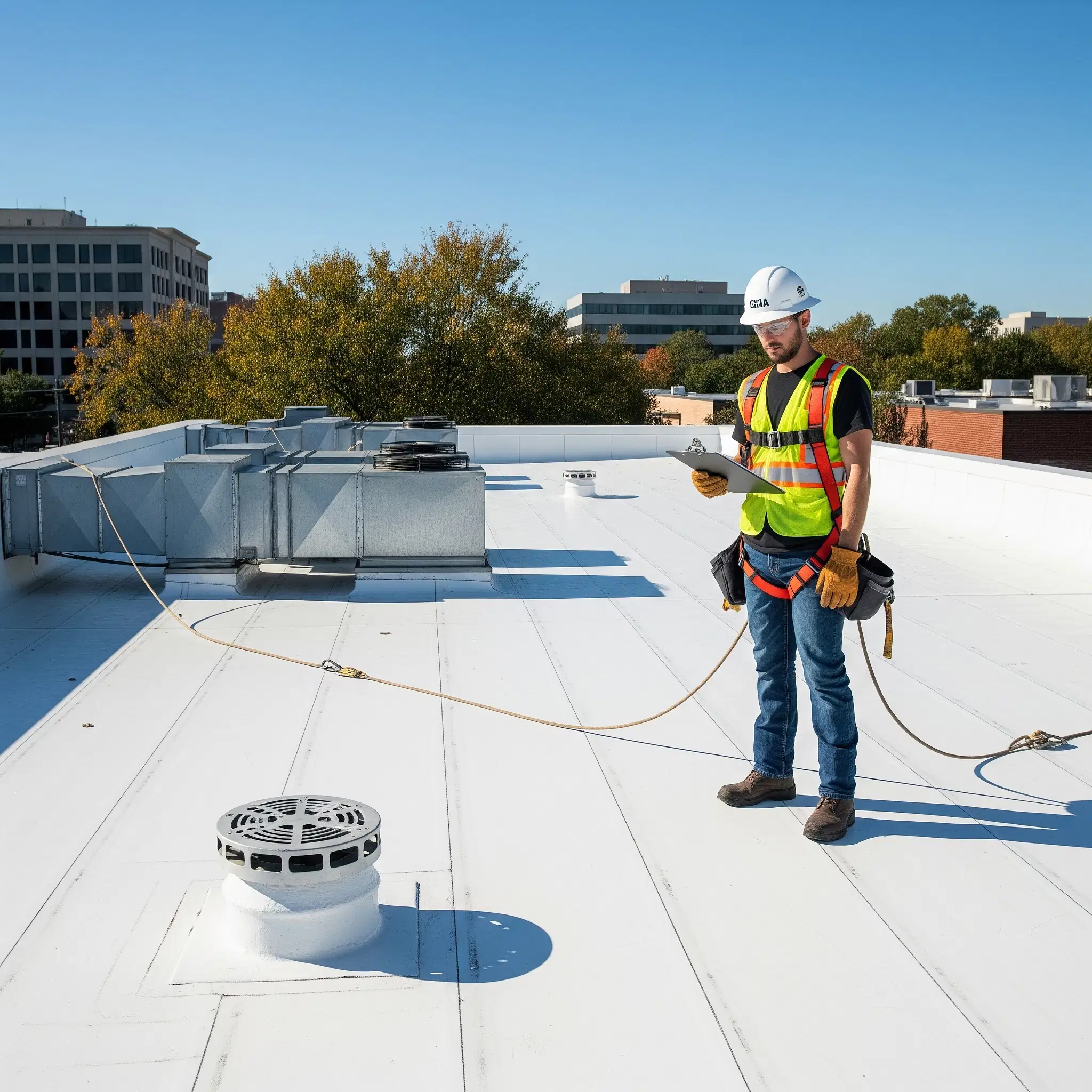
If you notice any of these symptoms, it's a strong indicator that your home's ventilation system needs a professional evaluation. A proactive roof inspection can identify these problems before they lead to a full-blown crisis.
Creating a Balanced and Effective Ventilation System
A healthy roof ventilation system isn't about just adding a vent or two; it's about creating a balanced system where the amount of air coming in equals the amount of air going out. This continuous circulation is what keeps your attic dry and cool.
There are two main components to this system:
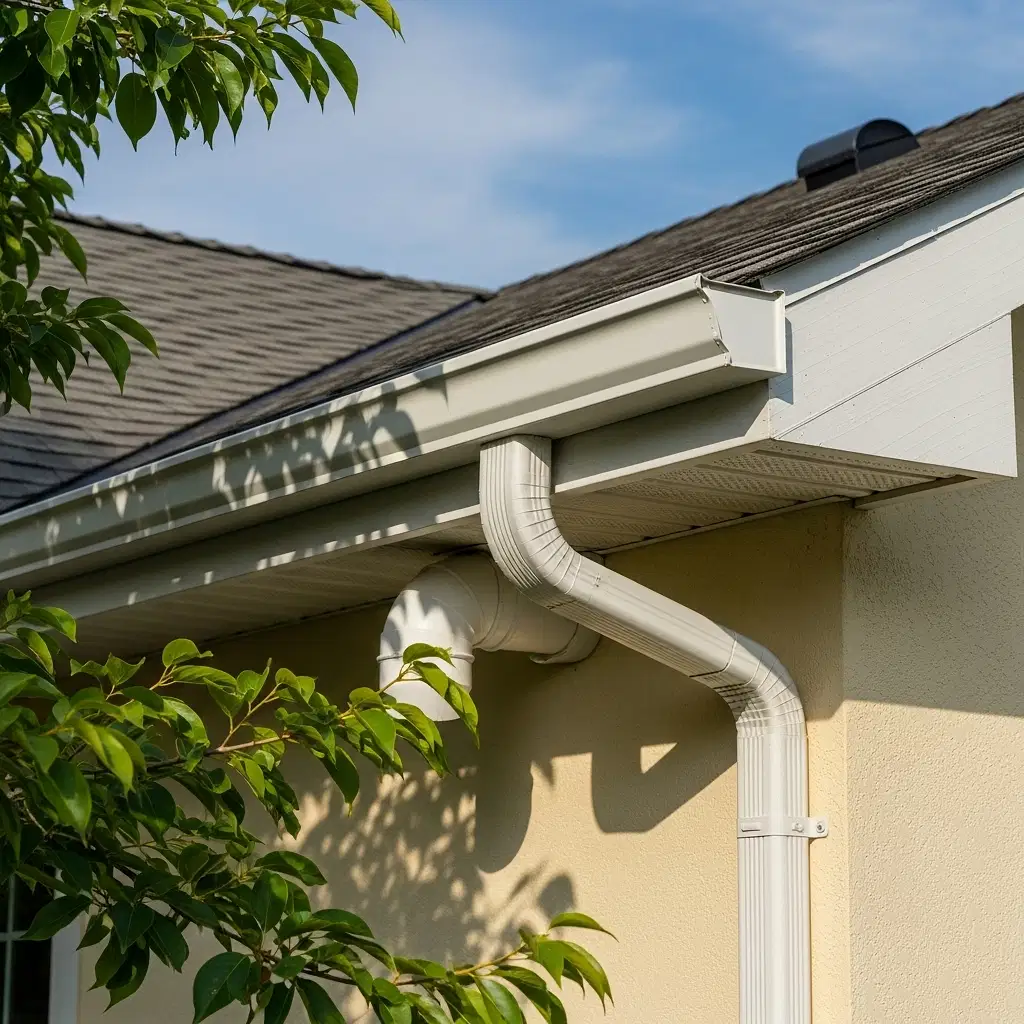
- Intake Vents: Located in the lower part of the roof, typically in the soffits (the underside of your roof's overhang). These vents draw in cool, fresh air from outside.
- Exhaust Vents: Positioned at or near the peak of the roof. Since hot air rises, these vents allow the hot, moist air to escape the attic. Common types include ridge vents, which run along the entire peak of the roof, and turbine vents.
Achieving the right balance is crucial. Too much exhaust without enough intake can cause your vents to pull conditioned air from your living space, while too much intake can leave hot air trapped at the peak. An experienced roofing professional can calculate the precise amount of ventilation your specific roof needs based on its size and design. This is why professional vent installation is so important—it ensures the system works as intended.
For homeowners considering a full residential roof replacement, it's the perfect opportunity to design and install a highly effective ventilation system from the ground up, ensuring your new roof is protected from day one.
Trust Your Roof to the Local Experts
Your roof is a complex system, and proper ventilation is a key part of its long-term health. At 7 Oaks Construction, we understand the unique challenges our Oklahoma climate presents. With decades of experience, we pride ourselves on honest, upfront communication and treating every home as if it were our own. We don't just install shingles; we build complete roofing systems designed to last.
If you're concerned about your attic's ventilation or have noticed any of the warning signs, don't wait for a small issue to become a major expense. Contact 7 Oaks Construction today for a comprehensive roof assessment. We’ll provide an honest evaluation and help you ensure your home in the Tulsa area is protected for years to come. Request your free estimate now!